As summer arrives in British Columbia, many of us are eager to spend more time outdoors – at the beach, on the trails, in parks and on patios. Before you head out, take a moment to plan your sun safety equation.
“Sun safety is more than one thing," says Dr. Sunil Kalia, dermatological oncologist at BC Cancer – Vancouver and chair of the Canadian Dermatology Association Sun Awareness Program. “It's about adding up different layers, whenever possible, to better protect your skin."
We often think about sun exposure in the moment, but it's the total over time that matters. UV exposure is cumulative, meaning every time you're in the sun without protection, it builds up and increases your long-term risk of skin cancer.
“Skin cancer can take years to develop, so what you do today matters tomorrow," says Dr. Kalia.
That's why it's important to build your sun safety equation before you head outside.
Think of sun safety like a simple formula – combining different layers for better protection.
Cover up: Wear lightweight, tightly woven clothing that covers as much skin as possible.
Apply sunscreen: Reapply sunscreen every two hours, or after swimming or sweating.
"SPF 30 is a reasonable minimum level of sun protection," says Dr. Kalia. "But these ratings are based on perfect use, and most people don't apply enough sunscreen or reapply it often enough. To better protect your skin, apply generously and reapply at least every two hours – more often if you're swimming or sweating. Don't forget lip balm with at least SPF 15."
Wear a hat: Cap your UV exposure – a wide brim is best for protecting your face, ears and neck.
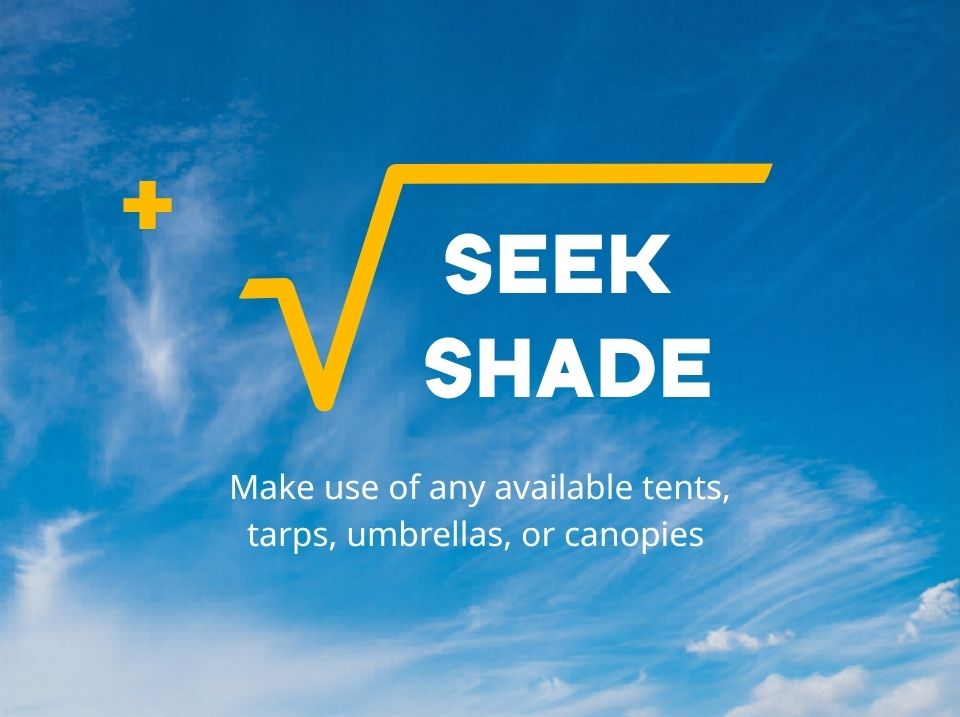
Seek shade: Make use of any available tents, tarps, umbrellas or canopies.
"Seeking shade helps reduce direct exposure to UV radiation, lowering the risk of sunburn and long-term skin damage," explains Dr. Kalia.
"Parks with trees or built-in shade can provide valuable protection, and something as simple as a beach umbrella can make a meaningful difference."
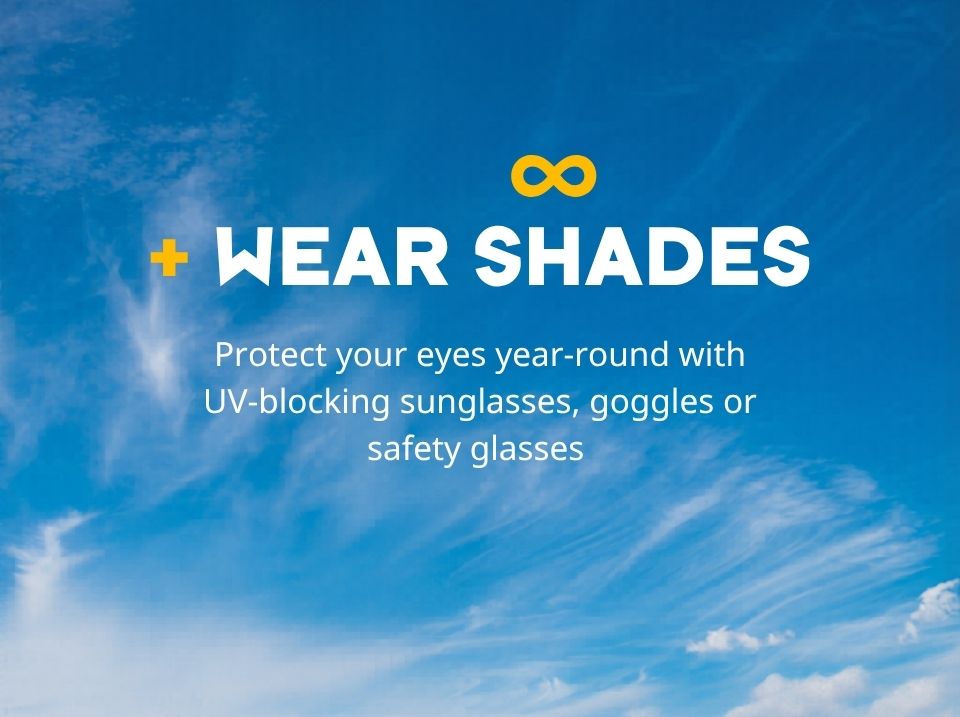
Wear shades: Protect your eyes year-round with UV-blocking sunglasses, goggles or safety glasses.
“UV radiation can also affect your eyes, so wearing proper eye protection is an important part of your sun safety equation," adds Dr. Kalia.
A little planning goes a long way. By adding up these layers of protection, you can significantly reduce your risk while still enjoying time outdoors.
"UV radiation is strongest between 11 a.m. and 3 p.m., especially during the summer months in Canada," Dr. Kalia explains.
"Making small adjustments – like choosing shaded spaces or shifting outdoor plans to earlier or later in the day – can go a long way in reducing your risk of skin cancer."
Building sun safety habits early – especially for children – can make a lifelong difference.
"Early-life sun exposure plays an important role in skin cancer risk, particularly for fair-skinned children," says Dr. Kalia. “Serious sunburns in childhood are among the strongest predictors of getting skin cancer later in life. Just like teeth brushing, the earlier you practice these habits, the better."